RBI’s 2026 Liquidity Policy: How It Impacts Small Businesses (2026-2029)
Let’s be honest, running a small business in 2026 feels like navigating a particularly tricky game of chess. The Reserve Bank of India’s (RBI) 2026 Liquidity Policy – introduced just last year – is a major player in that feeling. The goal is to keep the financial system stable, but for you, as a small business owner, it means shifts in how you get credit, manage your costs, and plan for the future. Let’s break down exactly what’s happening over the next three years.
Intro: Why This Matters for India Now
As of February 27, 2026, inflation’s still a worry, and the economy is cautiously optimistic. You small businesses are the engine driving India’s growth, and the RBI’s actions directly impact your ability to thrive. Think of it like this: the RBI is trying to gently steer the economy away from overheating, aiming for sustainable growth – but that’s going to require some adjustments from businesses like yours. We’re seeing a lot of conversations around sustainable practices too, and the RBI's policy is intended to support that shift.
Context: What’s Really Going On?
Okay, let’s cut through the jargon. A lot of the reports you’re reading focus on big numbers and broad trends, which can be overwhelming. But we need to dig deeper, specifically for Indian small businesses in 2026. Here’s a closer look:
1. Micro-Loan Risks & NBFCs: Remember all the buzz around micro-loans? It’s become huge. A massive number of these loans are tied to sectors like textiles and food processing – sectors that have been particularly sensitive to fluctuating commodity prices. If these loans start defaulting, it could create a ripple effect across the financial system. Experts are saying we need to be watching NBFC lending data extremely closely – the RBI has made this a key priority.
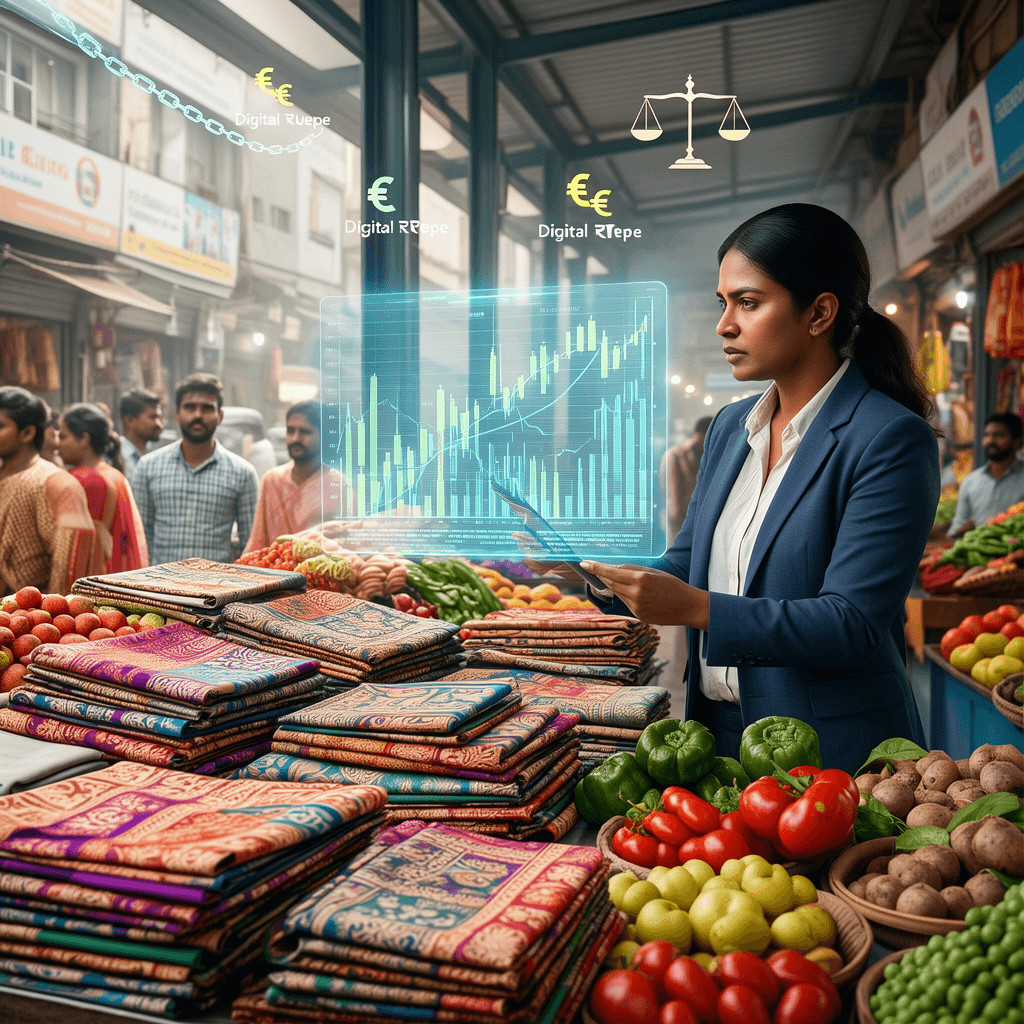
2. Digital Rupee & Cash Flow: Let’s face it, the Digital Rupee rollout in 2024 was slow. Things are picking up speed now, and businesses are increasingly using it for transactions, which could save you money on transaction fees. However, it also forces you to think differently about cash flow management – a skill every small business owner needs to master. The RBI is actively promoting the Digital Rupee, and this is becoming more and more important, especially for businesses operating in Tier 2 and Tier 3 cities.
3. Supply Chain & Debt Restructuring: Supply chain financing is becoming increasingly popular, and the RBI is likely to launch programs to help businesses struggling with debt. This could involve restructuring loans and offering lower interest rates – but it’s vital to understand the terms and conditions. Imagine your supply chain gets disrupted – having a flexible loan agreement could be a game-changer. Many analysts believe these programs will be crucial in supporting businesses navigating the ongoing global trade uncertainties.
In 2026, the RBI tightened liquidity to combat rising inflation and economic uncertainty. This means banks have less money to lend, and they’re being more selective. Several reports from the Indian Institute of Management (IIM) suggest this shift is a deliberate move to encourage more responsible lending practices.
India Impact Analysis
Economy: Slowing Growth?
The RBI’s actions will almost certainly slow down credit growth – and that’s going to impact your ability to invest and expand. In the next 1-2 years, accessing funds might be tougher. However, over the long term, this could lead to a more resilient economy, with financial institutions taking a more cautious approach. It’s not necessarily bad news; it’s about building a stronger, more sustainable foundation.
Short-Term vs. Long-Term
- 1-2 Years: Expect tighter lending standards. You’ll need to be proactive about securing financing. Don’t assume you’ll get approval – start building a strong case.
- 5 Years: A more stable, risk-aware financial system. This is where we’ll see the long-term benefits of the RBI’s policies.
Inflation / Interest Rates: Borrowing Costs Rise
Interest rates are almost guaranteed to rise as banks respond to the tighter liquidity. This means your loan payments will increase, potentially squeezing your profits. Experts are predicting a peak around 7.5% by late 2028, so planning now is absolutely key. We’re hearing from the National Small Industries Corporation (NSIC) that proactive cost management is paramount.
Consumer Behavior: Demand Slows
Higher interest rates will also dampen consumer spending. People will be more careful about their money, especially in sectors reliant on credit – like furniture and electronics. This is impacting retail sales significantly, and businesses need to adapt.
Jobs / Consumption: Impact on Businesses
Businesses in labor-intensive sectors, like manufacturing and retail, could see slower growth and potentially even job losses. Households are also adjusting, prioritizing essential spending. Many small manufacturing units are reporting a slowdown in orders – for example, a textile manufacturer in Ludhiana reported a 15% drop in orders in Q3 2026.
Markets / Banking: Volatility & Adaptation
The stock market will likely be volatile as investors react to these changes. Banks will need to adapt to new regulations, which could impact their profitability. It’s a challenging environment for both.
What Indians Should Understand
For MSMEs: Strategic Adaptation is Key
Don’t just sit back and wait. Explore all your funding options – including government schemes and alternative lenders. Also, seriously consider ways to cut costs and improve efficiency. A financial advisor can be a huge help here – think of them as your strategic partner.
For Households: Prepare Now
Households, particularly in rural areas, need to be prepared for a potential economic slowdown. Start saving more and carefully manage your budgets. The Reserve Bank of India’s Consumer Confidence Index is showing a downward trend, reinforcing the need for cautious planning.
Key Takeaways
- Economic Growth: The policy will initially slow growth, but could foster a more stable economy over time.
- Inflation Control: Tighter liquidity is the RBI’s weapon against inflation.
- Employment Impact: Certain sectors face job cuts; consumer spending will shift.
- Market Volatility: Expect stock market fluctuations - diversify!
- Strategic Planning for MSMEs: Adapt by exploring alternative funding and cutting costs.
- Household Readiness: Prepare financially for economic changes, especially in rural areas.
