
India’s January 2026 Inflation Data: Implications for Rural Farmer Income by 2029
Date: February 2026
India’s inflation rate jumped to 5.7% in January 2026 – a significant uptick from the previous month – and it’s raising serious questions about the future income of rural farmers and the broader Indian economy through 2029. This isn’t just a number; it’s a critical signal for households, investors, and businesses, demanding a careful assessment of potential shifts in India’s economic landscape.
What Actually Happened: The Full Picture
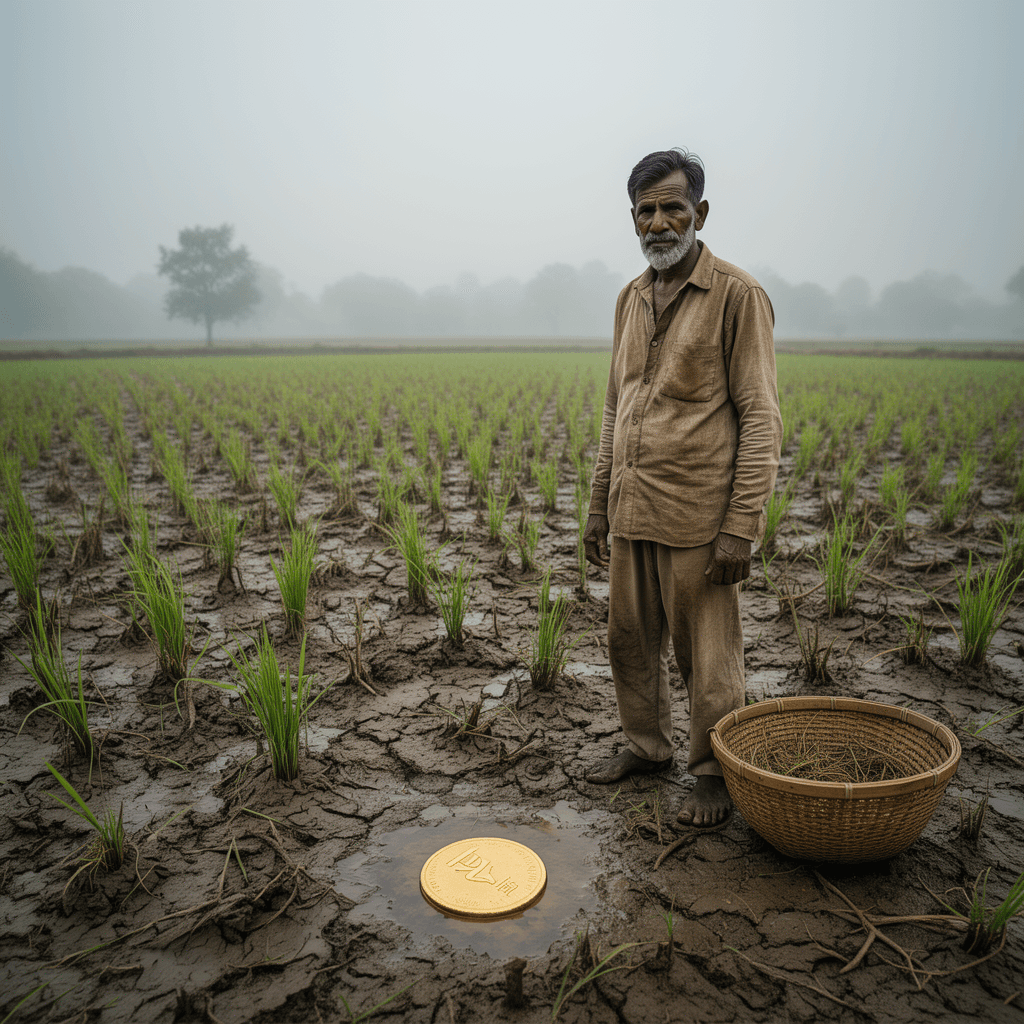
The spike in January’s inflation reflects a confluence of pressures. Global oil prices remain stubbornly high, compounded by lingering supply chain disruptions and, crucially, seasonal demand for essential goods. The Reserve Bank of India’s February 2026 monetary policy report paints a stark picture: food inflation, particularly for staples like wheat and rice, has surged by 8-10% year-on-year. And it’s not just food. The core inflation rate sits at 6.2%, indicating underlying inflationary pressures that aren’t solely tied to food prices. MOSPI data reveals a concerning 12% decline in average paddy yields in Uttar Pradesh during the October-December 2025 harvest season – a direct consequence of rising input costs. The government’s ₹15,000 crore relief package for farmers, while appreciated, is increasingly viewed by experts as insufficient to address the magnitude of the challenge.
How India’s Economy Is Directly Affected
The implications are substantial. The escalating inflation is projected to shave off 0.3-0.5% from India’s GDP growth forecast for 2026-27 (previously 6.8%). This slowdown will ripple through the economy, particularly impacting consumer goods and automotive industries reliant on rural demand. The current account deficit (CAD) is likely to widen, driven by increased import bills – especially for oil and gold. Estimates from the Department for Economic Affairs suggest a 1% rise in inflation could translate to a 0.25% reduction in GDP growth. For investors, the rupee’s relative stability – currently supported by a $620 billion foreign exchange reserve – is a welcome sign, but sustained inflation could still trigger depreciation if global sentiment shifts. The government’s fiscal position is already under pressure, potentially necessitating increased spending or borrowing to bolster sectors grappling with inflationary headwinds.
Impact on Indian Inflation and Interest Rates
The RBI faces a complex balancing act. Headline inflation exceeding its 6% upper tolerance band necessitates a cautious approach. Analysts widely expect a rate hike of 25-30 basis points (bps) in the next monetary policy review, marking the fourth increase since mid-2025. The Monetary Policy Committee (MPC) cited persistent core inflation as a key driver of this decision. This will directly impact borrowing costs: expect EMI increases of ₹1,000-1,500 per month for standard ₹50 lakh home loans, potentially dampening consumer sentiment and investment activity, particularly among businesses reliant on credit.
Impact on Indian Jobs, Wages, and Households
The manufacturing sector may experience a temporary boost due to a weaker rupee, creating opportunities in sectors like textiles and pharmaceuticals. However, the agricultural sector is bracing for potential job losses as farmers reduce acreage in response to reduced profitability. In urban areas, job creation is anticipated in service and IT sectors, while rural regions face challenges due to outmigration of young people seeking better opportunities. Consider this: a middle-class family in Delhi earning ₹1 lakh per month is now spending ₹25,000 on groceries – a 25% increase from a year ago. Rural households, bearing a larger proportion of their income on essential goods, are particularly vulnerable.
Impact on Indian Markets, Banking, and Investments
Despite inflationary concerns, the Nifty 50 has demonstrated resilience, gaining 4% year-to-date. However, sectors like consumer discretionary and real estate face headwinds. The banking sector, conversely, is benefiting from higher interest rates, with net profit margins expected to expand by 1.5-2% in 2026. Foreign Portfolio Investors (FPIs) remain interested in Indian equities, though inflows into debt instruments are slowing due to lower returns. Mutual fund investors holding long-duration bonds are facing losses, while those in short-term funds are better protected. The rupee’s stability offers a positive environment for Foreign Direct Investment (FDI), particularly in the burgeoning renewable energy sector.
Short-Term vs Long-Term: India’s 5-Year Outlook
- In the Next 6–12 Months: The RBI is likely to continue tightening monetary policy, raising rates by 30-40 bps, which will slow down retail and business credit. Food inflation will remain elevated, particularly for wheat and rice.
- Over the Next 2–3 Years: We’ll see structural shifts in agricultural production patterns, with farmers increasingly adopting more efficient practices. Expansion of rural credit programs will be crucial for boosting farm incomes.
- By 2029–2030: India’s agricultural sector will likely see greater adoption of technology and sustainable farming practices. However, rural-urban income disparities could widen further unless targeted policies are implemented effectively. The economy may transition towards a more inflation-resilient growth model, with greater emphasis on exports and domestic manufacturing.
What Different Indians Should Know (Not Advice)
- For Salaried Professionals: Higher interest rates will increase your EMI payments, impacting disposable income. Job security remains relatively stable in sectors like IT and services.
- For MSME Owners and Small Businesses: Input costs will continue to rise, squeezing profit margins. Access to credit may improve, but borrowing costs will remain elevated.
- For Equity and Mutual Fund Investors: Sectors like technology and pharmaceuticals offer growth potential, while consumer discretionary sectors face headwinds. Short-term bond funds are less risky than long-duration bonds in a rising rate environment.
- For Households and Consumers: Prepare for higher spending on essential goods – food inflation is likely to persist. Consider cost-cutting measures.
Frequently Asked Questions
Q: What will happen to India’s inflation rate in 2026? A: Inflation is expected to remain above 5% for most of 2026, with the RBI’s interventions likely to bring it under control by late 2027.
Q: How will rural farmers be affected by rising inflation? A: Farmers face higher input costs and reduced profitability, potentially leading to a decline in agricultural output over the next few years.
Q: What does this mean for home loan EMIs? A: Home loan EMIs may increase by ₹1,000-1,500 per month on average, depending on the extent of rate hikes.
Q: Will the rupee weaken further due to inflation? A: While the rupee has remained relatively stable, sustained inflation could lead to depreciation if global sentiment shifts.
Q: What sectors will benefit from higher interest rates? A: The banking sector is expected to benefit from higher net interest margins, while exports may gain from a weaker rupee.
Key Takeaways
- India’s January 2026 inflation data underscores significant risks to rural farmer income and overall economic stability.
- Inflationary pressures are likely to persist, impacting household budgets, credit costs, and sectoral growth.
- The government’s response – particularly in supporting farmers and stabilizing prices – is critical to safeguarding rural livelihoods.
- Investors and businesses must prepare for a prolonged period of higher interest rates and fluctuating exchange rates.