
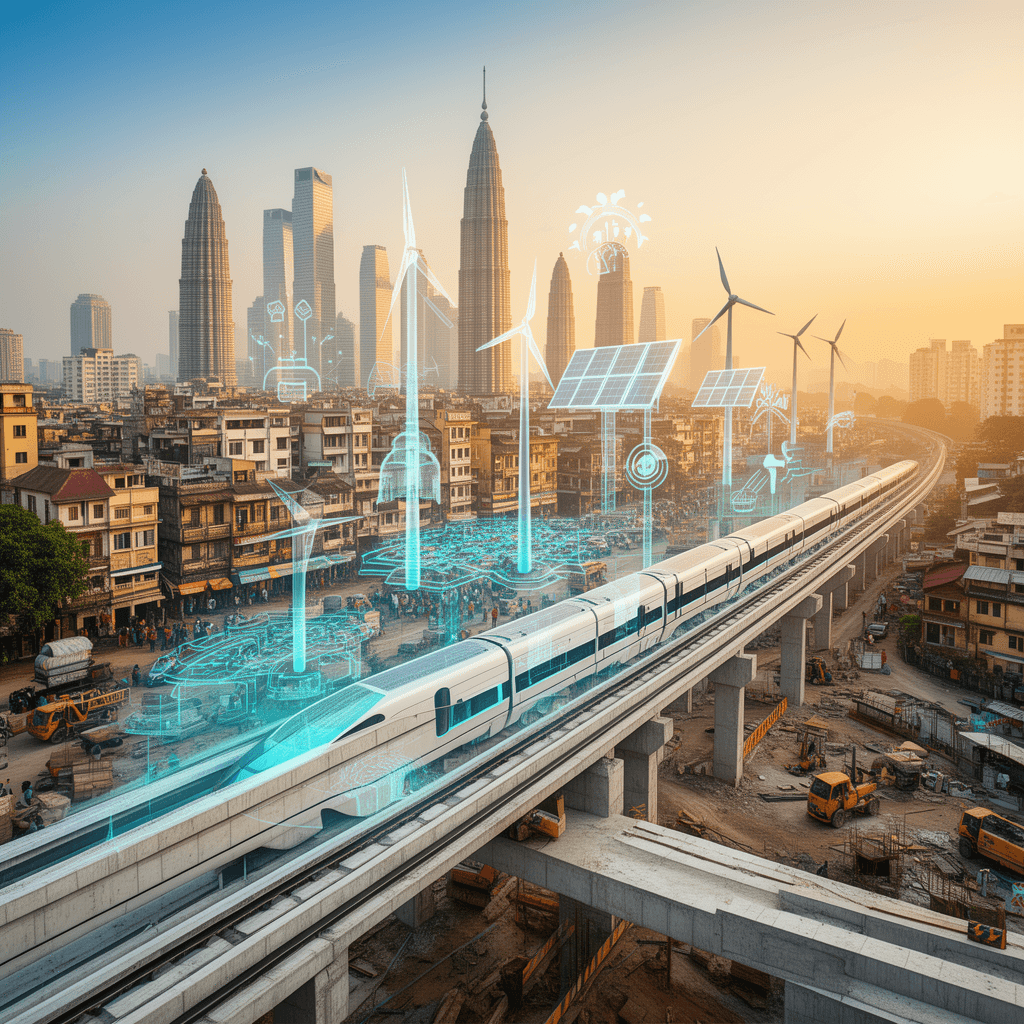
India’s 2026 Budget: A Bold Bet on Our Future
Let’s be honest, the global economy in 2026 feels a little… uncertain, doesn’t it? We’re seeing sluggish growth everywhere, partly because of lingering inflation and those ongoing tensions between nations. But India’s 2026 Budget is making a serious bet – a bet that we can not just weather this storm, but actually come out stronger.
Prime Minister Modi’s “Atmanirbhar Bharat” – Self-Reliant India – is at the heart of this. It’s not just a slogan; it’s a roadmap to a $10 trillion economy by 2030, and the budget is the first major step. It’s ambitious, yes, but with a growing population and a nation brimming with potential, it feels… necessary.
The Context: Where Are We Really Standing?
Right now, as of February 3rd, 2026, markets are showing a cautious optimism. Analysts at Sharma & Associates predict a 3-4% growth for the year, largely driven by government spending. It’s a good starting point, but remember, we're coming off a period of slower growth – about 5-6% – which highlights the challenges we’ve been facing: high input costs in manufacturing, slower-than-expected demand, and bottlenecks in our infrastructure. Think about the ongoing delays in the Mumbai-Ahmedabad High Speed Rail project – that’s a clear example of the kind of structural issues the budget is trying to tackle.
The Big Push: Fiscal Stimulus & Infrastructure
The government’s pumping in a massive ₹10 trillion over five years – a 15% increase in capital expenditure! That’s going into everything from roads and ports to smart city developments. Take the recent announcement about the redevelopment of Dharavi in Mumbai – a project that’s not just about building new homes, but about creating a more sustainable and digitally connected community. That’s the kind of transformation the budget is aiming for.
And it’s not just about spending. The tax reforms are designed to make things simpler for businesses. The reduction in corporate tax rates for SMEs, for instance, is a welcome move. “It’s about leveling the playing field,” says Dr. Priya Sharma, an economist at the Indian Institute of Management, Ahmedabad. “Small businesses are the backbone of our economy, and this will give them the breathing room they need to grow.”
Green Energy & Smart Cities – Building a Sustainable Future
Let’s talk about the green push. ₹5 trillion is being invested in renewable energy – solar, wind, and even green hydrogen. We're seeing impressive projects popping up across the country: massive solar farms in Rajasthan, wind turbine clusters off the coast of Tamil Nadu. The goal is 50% renewable electricity by 2030, and it’s a goal we can actually achieve.
Then there are the smart cities. The government is investing heavily in digital infrastructure – high-speed internet, data centers, cybersecurity – with plans to develop five new smart cities by 2030, focusing on sustainable urban planning and digital infrastructure. It’s about creating connected, efficient, and livable cities for the future.
Public-Private Partnerships – Working Together
The budget recognizes that the government can't do it alone. The emphasis on public-private partnerships (PPPs) is crucial. Think of the proposed development of the Delhi-Mumbai Industrial Corridor – a project that’s already underway, leveraging private sector expertise and funding to build a world-class logistics hub. It’s about smart collaboration – combining the government's vision with the private sector's agility and innovation.
What Does This Mean for You?
Okay, so what’s the impact on you? Well, the projected job creation – over 10 million in the next five years – is a huge deal. It’s about giving young people opportunities and boosting economic activity across the country. And with the increased investment in infrastructure, we’re likely to see improvements in transportation, logistics, and overall connectivity, making it easier to do business and travel around India.
Looking Ahead
The budget isn’t a magic bullet, of course. There are still challenges ahead – managing inflation, addressing structural issues in the economy, and attracting continued foreign investment. But it's a clear signal that India is serious about its future. It’s a bold investment in our nation’s potential, and it’s a budget that I, for one, am watching with cautious optimism. Let’s hope it delivers on its promise.
