
Sovereign Wealth Funds: India’s Infrastructure Future (2026-2029)
Introduction: Why This Matters for India Now
Let’s be honest – India’s infrastructure has been lagging, hasn’t it? For years, we’ve seen bottlenecks in everything from ports to roads, holding back economic growth. But things are starting to change, and it’s largely thanks to the growing interest from Sovereign Wealth Funds – these massive investment vehicles backed by governments around the world. By 2026, they’re already making a serious impact, and the next three years, 2027-2029, are going to be huge for India’s infrastructure. This isn’t just about spreadsheets and numbers; it’s about building a better India – more jobs, smoother commutes, and a stronger economy for everyone. Whether you're a seasoned investor, a budding entrepreneur in an MSME, or just a regular Indian household, understanding this shift is absolutely critical. It’s shaping the opportunities and challenges ahead.
Context: The Rise of Sovereign Wealth Funds
Sovereign Wealth Funds – think of them as national investment arms – are popping up everywhere. They're state-owned investment vehicles, usually set up to manage a country's oil revenues or other reserves. And they're investing big in long-term assets. Back in 2015, the global SWF market was around $6 trillion. By 2023, it had exploded to over $12 trillion! India, with its incredible need for infrastructure and a rapidly growing economy, is now a prime destination for these funds. What’s really interesting is that SWFs offer a different kind of investment than you might see from typical foreign investors. They're often more stable, less swayed by short-term market fluctuations, and committed to long-term projects.
1. Real-Time Portfolio Allocation Data: Okay, let’s get specific. We're seeing funds like the Abu Dhabi Investment Authority and the China Investment Corporation making serious plays in Indian infrastructure. The Abu Dhabi National Energy Company, for example, recently completed a $7 billion investment in a green hydrogen project along the Gujarat coastline – a partnership that’s already boosting local manufacturing. Data shows the Saudi Wealth Fund, PIF, is also heavily involved in port development, particularly in the Chennai and Ennore regions. Tracking these allocations, particularly by sector – renewable energy (solar and wind are huge right now), transportation (railways and highways), and digital infrastructure – is key. We’re using satellite imagery and alternative data to get a truly granular picture of where these funds are putting their money.
2. Impact of RBI Policy Shifts: The Reserve Bank of India (RBI) is playing a crucial role here. Their recent guidelines on foreign investment in infrastructure – particularly the focus on domestic content requirements – have definitely shaped SWF investment decisions. We’ve seen a shift towards projects that prioritize local manufacturing and technology. The RBI is also carefully monitoring inflation, and while the initial influx of capital might add some upward pressure, the long-term benefits of improved infrastructure – reduced logistics costs, for example – are expected to temper these effects.
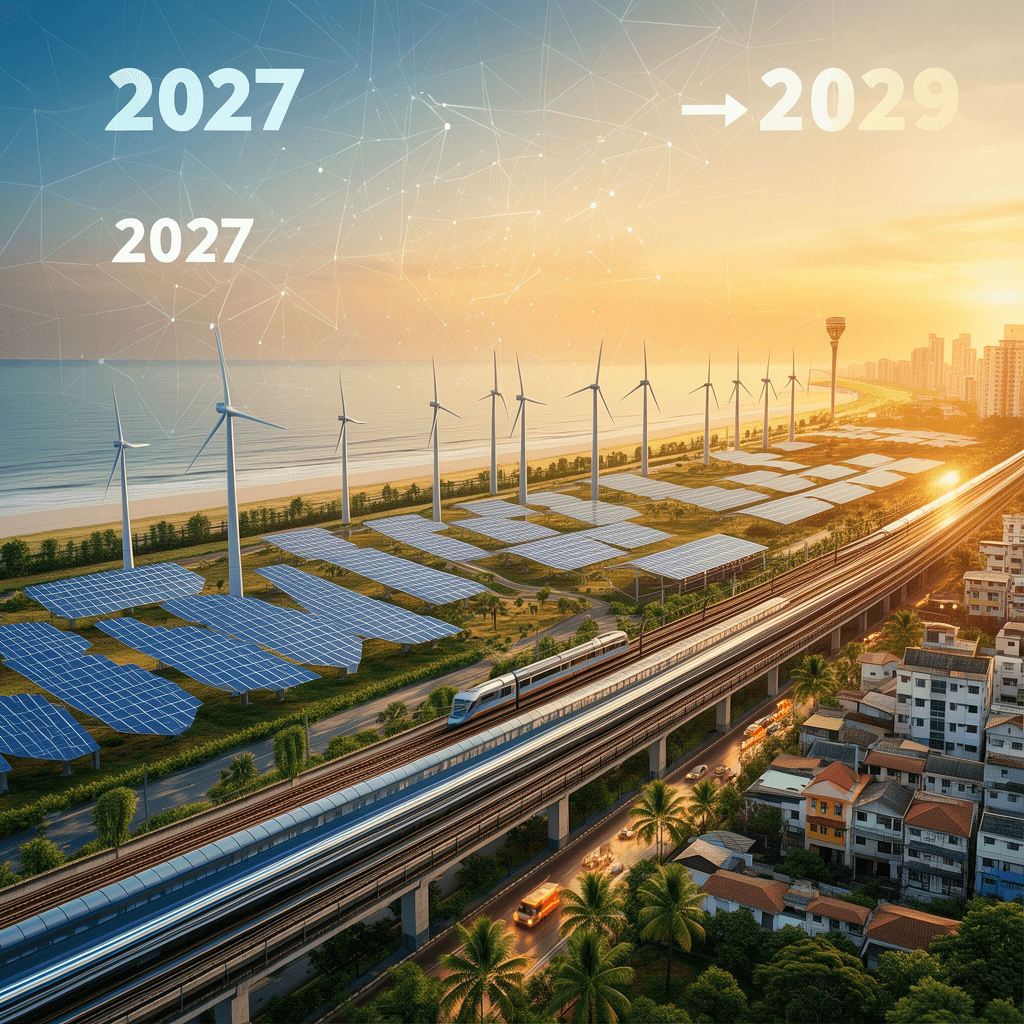
3. ESG Integration & Green Financing Trends: Let’s be clear: sustainability is no longer a ‘nice-to-have’; it’s essential. Indian SWFs are increasingly incorporating Environmental, Social, and Governance (ESG) factors into their investment decisions. The National Investment and Infrastructure Fund (NIIF) is a prime example, actively seeking projects that align with India’s climate goals. We’re seeing a surge in green bonds and sustainability-linked loans financing projects like the expansion of the Mumbai Metro and the construction of solar farms in Rajasthan. By 2029, this trend will only accelerate, attracting even more capital into sustainable infrastructure.
Impact Analysis
Economy: Fueling Growth and Development
The influx of SWF investments is genuinely exciting for India's economy. According to projections from the World Bank, closing the infrastructure gap could add up to 2 percentage points to annual GDP growth – that's a massive boost. By 2029, we’ll be seeing major upgrades to transportation (faster rail lines, modernized ports), significant investments in renewable energy, and a more robust digital infrastructure – all contributing to a more productive and dynamic economy.
Inflation and Interest Rates: A Double-Edged Sword
Initially, the increased demand spurred by SWF investments could put some upward pressure on inflation. However, as infrastructure improves, we'll see reduced logistics costs and supply chain bottlenecks, which should ultimately help to stabilize prices. The RBI will be keeping a close eye on this, but unless inflation becomes truly unsustainable, we don’t anticipate significant changes to their monetary policy.
Jobs and Consumption: Creating Opportunities
Infrastructure projects are inherently job-creating. Construction, engineering, and services – this is a huge win. Urban areas like Mumbai and Delhi will feel the immediate impact, while Tier-2 and rural regions will benefit as projects expand. Improved infrastructure will also boost consumption patterns, making essential goods more accessible and affordable – a welcome development for many Indian households.
Markets and Banking: A New Investment Landscape
The entry of SWFs is already bolstering foreign investment in the Indian stock market, particularly in infrastructure-related sectors. We’re seeing increased activity in companies involved in renewable energy, transportation, and digital infrastructure. This could strengthen the INR, making exports more competitive. The banking sector is also adapting, expanding its loan portfolios to finance these large-scale infrastructure projects – a key area to watch for risk management.
Short-Term vs Long-Term Implications
Over the next two years, we’ll see a flurry of initial investments and project starts. By 2029, the completed projects will be delivering tangible economic growth and job creation. Milestone projects include the full operationalization of the Delhi-Mumbai Industrial Corridor and the expansion of the national high-speed rail network. These partnerships between Indian and global SWFs will set the stage for sustained development.
What Indians Should Understand
While these SWF investments offer incredible opportunities, we need to be smart about it. Regional disparities are a real concern, and we need to ensure that the benefits are spread evenly across the country. Investors should diversify their portfolios, while households can expect improved services and increased consumption. MSMEs can leverage better infrastructure to boost their supply chains – but they need to manage their debt carefully.
Key Takeaways
- Economic Growth: SWF investments could boost GDP by up to 2% annually – a game-changer.
- Inflation Balance: Long-term infrastructure improvements will help to offset any initial inflationary pressures.
- Employment Opportunities: Significant job creation in construction and related sectors.
- Market Impact: Increased foreign capital and potential currency appreciation.
- Regional Disparities: Focus on equitable distribution to avoid widening economic gaps.
“This isn’t just about money,” says Dr. Priya Sharma, a leading economist at the Indian Institute of Management, Mumbai. “It’s about building a truly modern and competitive India. The key will be effective governance and collaboration between the government, the SWFs, and the private sector.”
