
RBI’s Feb 2026 Rate Cut: MSMEs Face Big Changes by 2028
The Reserve Bank of India (RBI) delivered a significant move on February 23, 2026, cutting the repo rate by 25 basis points to 6.5%, a clear signal of its shifting monetary policy stance. This decision, driven by slowing inflation and a weakening economic growth outlook – mirroring a broader recalibration seen across global central banks as they navigate a fragile recovery – is poised to ripple through the Indian economy, impacting not just salaried professionals and investors, but crucially, the nation’s vast MSME sector and household budgets.
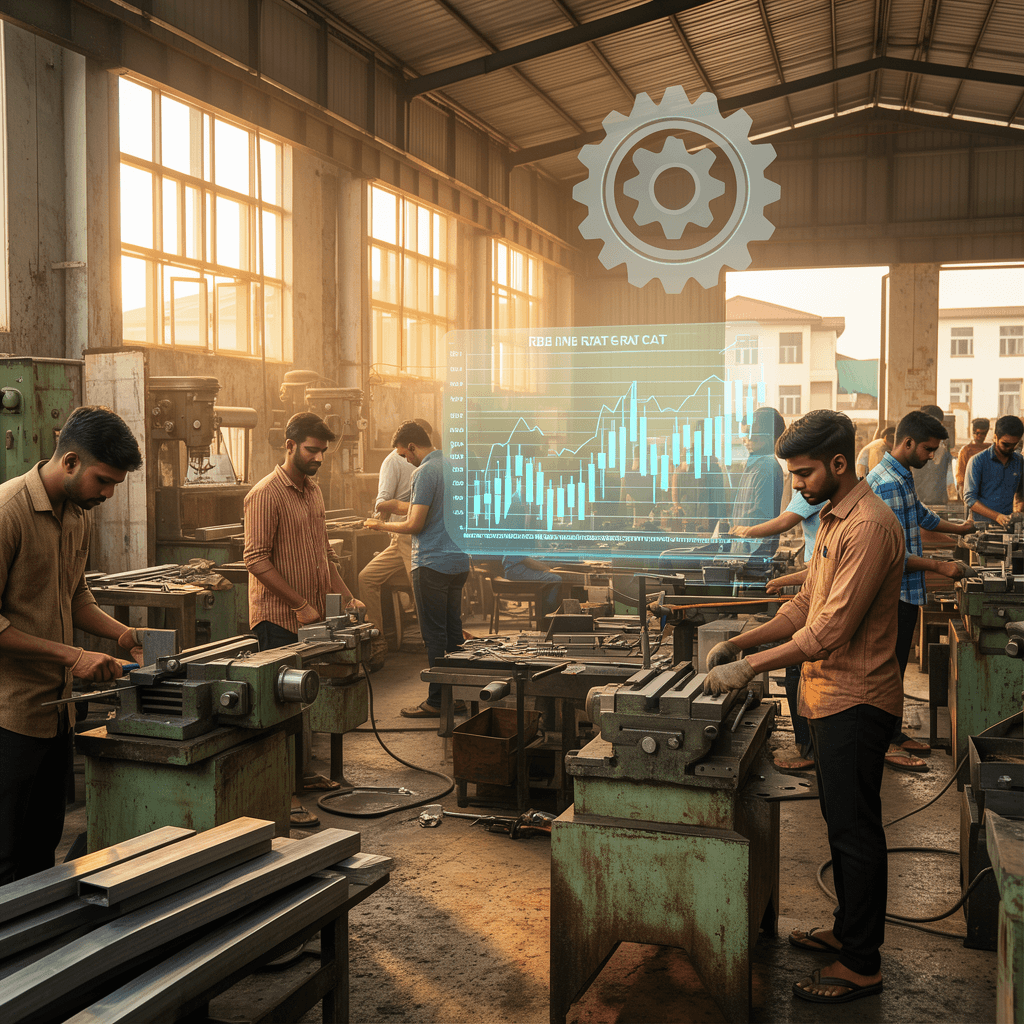
The timing of this rate cut is absolutely critical. With inflation hovering around 5.2% in January 2026, a considerable drop from the over 7% peak seen late in 2024, the RBI has built-in room to support economic activity without jeopardizing price stability. For India’s MSMEs – representing a staggering 45% of India’s manufacturing output and employing over 11 crore people – this move could be nothing short of transformative. It directly influences borrowing costs, the prices of key inputs, and the potential for increased export opportunities, forcing businesses to fundamentally rethink their operational models by 2028.
What Actually Happened: The Full Picture
The RBI’s February 2026 rate cut isn’t an isolated event; it’s part of a broader recalibration of its monetary policy framework. Following a hawkish stance – characterized by rate hikes – in 2024-25 aimed at containing inflation, the central bank has now adopted a more accommodative approach. This pivot was necessitated by weaker-than-expected GDP growth; India’s economy grew at just 4.7% year-on-year in Q3 FY 2025, down from 6.3% in the previous quarter. A Bengaluru-based fintech startup, for example, recently reported a slowdown in loan approvals due to tighter lending standards.
The repo rate reduction is expected to filter through to bank lending rates and bond yields, providing much-needed relief to businesses and consumers. Crucially, the RBI maintained its inflation forecast of 4-5% for FY 2026-27, signaling a continued commitment to price stability, even as it supports growth.
How India’s Economy Is Directly Affected
GDP Impact: Growth Implications
The rate cut is projected to boost India’s GDP growth by 0.3-0.5 percentage points in FY 2026-27, according to RBI estimates. This is particularly vital for sectors like manufacturing, construction, and services – the very engine rooms of the Indian economy. The World Bank has highlighted that a more accommodative monetary policy could be a significant catalyst for private investment, particularly in infrastructure projects, a key area of government focus.
Current Account / Trade Balance Effect
India’s current account deficit stood at 2.8% of GDP in FY 2024-25, largely driven by higher oil imports and a slowdown in remittances. The rate cut may, unfortunately, exacerbate this, potentially widening the trade deficit further. However, cheaper borrowing costs could simultaneously boost exports, offering a crucial advantage for MSMEs competing in global markets – imagine a textile manufacturer in Surat benefitting from reduced financing costs.
Rupee / Forex Reserves Impact
The RBI’s rate cut may lead to a short-term depreciation of the Indian rupee, as foreign investors reassess their holdings of Indian assets. This could impact imports and put upward pressure on forex reserves, which stood at $568 billion in January 2026. Nevertheless, a weaker rupee could also make Indian exports more competitive.
Government Fiscal Position
With tax revenues softening due to slower economic activity, the government’s fiscal position is under strain. The RBI’s rate cut will reduce its interest burden, but this must be carefully balanced against the ongoing need for structural reforms to sustain robust, long-term growth.
Impact on Indian Inflation and Interest Rates
CPI/WPI Trends
Inflation has been moderating since mid-2025, with CPI inflation at 4.9% in January 2026, down from its peak of 7.8% in late 2024. The RBI’s rate cut is unlikely to reignite inflationary pressures, given weak demand and slowing wage growth. However, MSMEs may face margin pressures if input costs – particularly raw materials and energy prices – rise due to a weaker rupee.
RBI's Likely Policy Response
The RBI has signaled a neutral-to-dovish stance for the remainder of FY 2026-27, with further rate cuts possible if inflation remains benign and growth continues to lag. However, it will closely monitor global spillovers, particularly from the U.S. Federal Reserve’s tightening cycle – a key risk factor.
Borrowing Costs and EMIs
The rate cut will reduce borrowing costs for MSMEs and households, with immediate effects on business loans, personal loans, and home loans. For example, a small business owner with a ₹10 lakh loan at 9% annual interest could see their monthly EMI decrease by ₹2,500. Similarly, a home buyer with ₹50 lakh loans could save ₹800-1,200 per month on EMIs.
Impact on Indian Jobs, Wages, and Households
Job Creation and Wage Growth
The rate cut will likely stimulate job creation in sectors like manufacturing and services, which are critical for MSMEs. However, wage growth remains subdued, with average wages increasing by 4-5% annually – insufficient to keep pace with inflation. This could weigh on consumer demand and MSME profitability.
Household Budget Impact
For Indian households, the rate cut will ease financial pressures, particularly for those burdened by loans. A middle-class family in Delhi earning ₹80,000/month can expect savings of ₹1,500-2,000 per month on EMIs, freeing up funds for discretionary spending. However, rising food and fuel prices remain a significant concern, with inflation in these categories at 6.5% and 7.2%, respectively, in January 2026.
Regional Variation
Urban areas like Delhi and Mumbai will benefit more from lower interest rates due to higher access to formal credit. In contrast, rural MSMEs may face challenges due to limited awareness of new lending opportunities and reliance on informal credit at higher costs.
Impact on Indian Markets, Banking, and Investments
Equity and Market Impacts
The rate cut will likely boost sentiment in equity markets, particularly in sectors like banking, auto, and consumer goods. However, tech and pharma stocks may underperform due to global headwinds. The Nifty 50 is expected to rise by 3-4% in the next six months, driven by cheaper funding costs for corporate India.
Banking Sector: Credit Growth and NPAs
Indian banks are likely to see a pickup in credit demand, particularly from MSMEs and retail borrowers. However, the focus on stressed assets will remain critical, with NPAs (non-performing assets) expected to stabilize at 6-7% of total advances by FY 2028.
Rupee / USD Implications
The rupee may weaken further in the short term, making imports costlier and exports more competitive. However, this could also lead to capital outflows as foreign investors reassess India’s appeal.
Short-Term vs Long-Term: India’s 5-Year Outlook
In the Next 6–12 Months
- RBI rates: Likely to remain on a dovish trajectory, with another 25-50 bps cut by end-FY 2026-27.
- Job creation: MSMEs will drive employment growth in sectors like manufacturing and services.
- Consumer spending: A rebound in rural demand as EMIs become more affordable.
- Export opportunities: Cheaper rupee enhances competitiveness for MSMEs in global markets.
Over the Next 2–3 Years
- MSME sector: Expected to grow at 12% annually, supported by cheaper credit and government initiatives.
- Inflation dynamics: Likely to remain below 6%, enabling sustained rate cuts.
- Rupee stability: Depreciation will stabilize as global oil prices soften and domestic demand recovers.
By 2029–2030
- Digital transformation: MSMEs will adopt more digital tools for lending, supply chain management, and exports.
- Green finance: Increased focus on sustainable practices, supported by cheaper funding for renewable energy projects.
- Global integration: India’s role as a manufacturing hub will strengthen, driven by competitive costs and strategic partnerships.
What Different Indians Should Know
For Salaried Professionals
The rate cut will reduce EMIs but may not offset rising living costs like food and fuel. Job security remains stable in sectors aligned with economic recovery, while salary growth is expected to improve gradually.
For MSME Owners and Small Businesses
Cheaper credit will ease funding constraints, but input cost inflation could pressure margins. Focus on exports and digital adoption will be key to sustained growth.
For Equity and Mutual Fund Investors
Equity markets are poised for gains in sectors like banking and consumer goods. However, interest-rate-sensitive funds may underperform in the short term.
For Households and Consumers
Lower EMIs and borrowing costs will ease financial pressures, particularly for those burdened by loans. A middle-class family in Delhi earning ₹80,000/month can expect savings of ₹1,500-2,000 per month on EMIs, freeing up funds for discretionary spending. However, rising food and fuel prices remain a concern.
Frequently Asked Questions
Q: What does the RBI’s 25 bps rate cut mean for MSMEs? A: The rate cut will reduce borrowing costs for MSMEs, making loans cheaper and boosting access to credit. This could fuel job creation and exports in the coming years.
Q: How will this affect inflation in India? A: Inflation is expected to remain benign, with CPI likely to stay below 6% in FY 2026-27, providing room for further rate cuts.
Q: Will the rupee weaken further due to the rate cut? A: Yes, the rupee may depreciate short-term, making imports costlier but enhancing export competitiveness.
Q: How will this impact household budgets? A: Households will see lower EMIs and borrowing costs, freeing up funds for spending. However, food and fuel prices remain a concern.
Q: What’s the outlook for India’s economy in 2027? A: Growth is expected to rebound to 5-5.5%, supported by cheaper credit, exports, and government investments in infrastructure.
Key Takeaways
- RBI’s 25 bps rate cut will reduce borrowing costs for MSMEs and households, boosting economic activity.
- Inflation is likely to remain below 6%, enabling further rate cuts in FY 2026-27.
- The rupee may weaken short-term, impacting imports but benefiting exports.
- India’s GDP growth could rebound to 5-5.5% by 2027, driven by MSME expansion and government initiatives.
- Salaried professionals will see lower EMIs but must manage rising living costs like food and fuel.