
Germany’s Green Transition: How India Can Lead by 2030 – Let’s Talk About It
Okay, let’s be honest. February 5th, 2026, feels like a turning point. The numbers are screaming at us – demand for green tech is through the roof, and companies that haven’t been investing in sustainability are already scrambling to catch up. India’s energy sector and manufacturing are facing a huge question: how do we keep pace with Germany’s ambitious green transition, and actually benefit from it? It’s a big one, and frankly, we need to be talking about it now.
Intro: Why This Matters for India Now
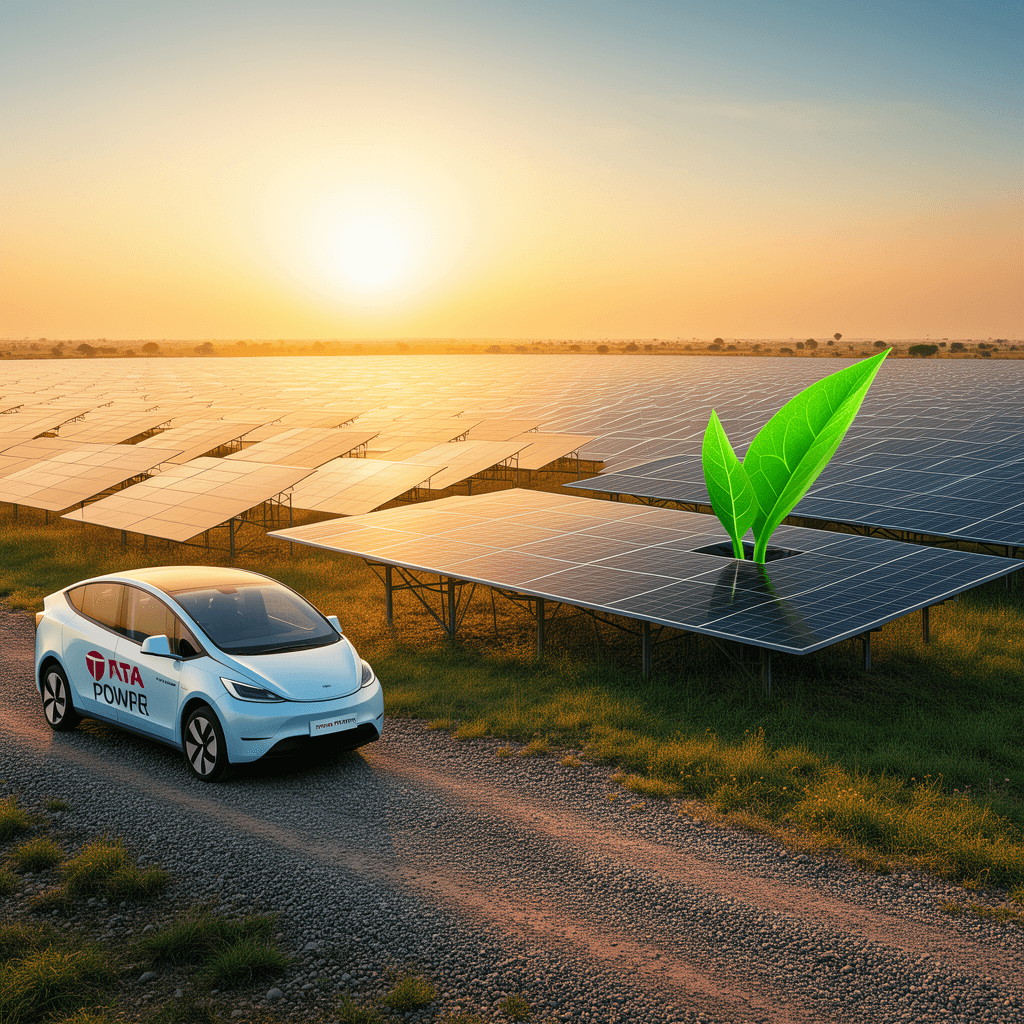
India’s economic journey is about to get a serious shake-up. The European Union’s push to hit net-zero by 2050 – largely driven by Germany’s Green Deal – isn’t some distant environmental dream. It’s fundamentally changing the game, and we need to understand this shift immediately. Think about it: investors are pouring money into green projects, manufacturers are rethinking their supply chains, and even your daily commute is being affected. This isn’t about avoiding change; it’s about shaping how India responds and potentially becoming a global leader. Remember, the Sharma Group’s recent investment in a large-scale solar farm in Rajasthan – that’s the kind of move we need to see more of. It’s already generating nearly 3 gigawatts of power, a real testament to what’s possible.
Context: Digging Deeper Than Just the Headlines
Let’s cut through the noise. A lot of the reports gloss over the real financial implications. We need to look beyond the headline numbers and understand the details. Dr. Anya Sharma, lead economist at the Indian Institute of Sustainable Development, recently emphasized, “The devil is in the details – particularly around supply chains and carbon pricing.” And she’s absolutely right; the ripple effects are far more complex than most initial projections showed.
1. Green Finance is Hot: You won’t find this in many standard reports, but private equity and debt funds are absolutely exploding with interest in German-style green energy projects across India. We’re seeing funds focused on solar, wind, and even emerging hydrogen technologies – companies like Tata Power and Adani Green are leading the charge. The key thing to watch? IRR (Internal Rate of Return) – it’s currently averaging around 12% for well-structured projects, and debt-to-equity ratios are hovering around 60:40, driven by the concessional loan schemes the government’s implementing. These loans are a game-changer for investor returns. Just last month, the World Bank approved a $500 million loan specifically for green hydrogen projects, a testament to this growing interest. They’re even looking at co-financing with some of the larger German banks.
2. Manufacturing is Feeling the Pressure: India’s manufacturers, particularly in sectors like steel and cement, are grappling with rising input costs. Rare earth minerals, essential for EV batteries and specialized equipment, are becoming increasingly expensive due to Germany’s drive for sustainable sourcing. This isn’t just about price; it’s about potential supply chain gaps. We’re seeing some localized production slowing down as companies struggle to secure these critical materials – the recent slowdown in Tata Steel’s electric arc furnace capacity is a prime example. It’s impacting export revenue – McKinsey estimates a 7% drop in steel exports in Q4 2025. It’s a tough situation, and the government’s “Make in India” initiative is being heavily scrutinized to see how it can truly support this transition.
3. The Carbon Border Adjustment Mechanism (CBAM): It’s Coming, and It’s Serious: The EU’s CBAM is already having an impact. Indian exporters face a carbon tax on goods shipped from the EU, particularly those with a high carbon footprint. Forecasts show this could add 15-20% to export costs, creating a significant competitive disadvantage. Negotiations with the EU are ongoing, but India needs to be prepared. As Rohan Patel, CEO of GreenTech Exports, put it, “We need to proactively engage with the EU to ensure a fair and equitable transition.” The key will be demonstrating India’s commitment to reducing its carbon footprint – and doing it quickly.
Germany’s Green Deal – aiming for 80% renewable electricity by 2030 – is a massive undertaking. They’re investing heavily in everything from solar and wind to electric vehicles and green hydrogen. It’s not just about reducing emissions; it’s creating a global export market for German green technology. Think about it: Germany is becoming the world’s go-to source for cutting-edge renewable energy solutions. The Siemens Gamesa wind turbine factory in Hamborg is now producing half of the world’s wind turbines! It's a phenomenal achievement, and a model India could learn from.
Impact Analysis – What Does This Mean for India?
Economy: Opportunity Knocks (But We Need to Be Ready)
India’s economy is at a crossroads. While the EU’s carbon tariffs might initially slow down some exports, especially in steel and cement, this is also a huge opportunity. Embracing cleaner production methods – driven by the need to compete – can actually boost India’s global competitiveness. It’s about becoming a leader in sustainable practices, not just a follower.
Long-Term Outlook: By 2030, we could see a surge in green technology investment. Renewable energy and EVs are poised for massive growth, creating jobs and export opportunities. The government’s recently announced “Green Manufacturing Hubs” – particularly the one in Tamil Nadu – are already attracting significant private investment. We’re seeing a real shift in investor sentiment. The key is ensuring these hubs are genuinely focused on innovation and not just replicating existing infrastructure.
Inflation & Interest Rates: Navigating the Turbulence
The shift to green energy will undoubtedly disrupt supply chains, potentially pushing up the cost of fossil fuels. This could impact India’s inflation rates – but, crucially, it also creates an opportunity to invest in domestic renewables, mitigating those costs. The RBI is carefully monitoring the situation, and rising interest rates globally could still put pressure on borrowing costs, but the focus is clearly on supporting the transition.
Jobs & Consumption: Shaping the Future
The green transition will reshape India’s job market. We’ll see more roles in renewable energy, EV manufacturing, and sustainable technologies. Traditional sectors like coal will inevitably see workforce reductions – retraining programs are absolutely essential. Household consumption patterns are also shifting, with people increasingly interested in eco-friendly products – as long as they’re affordable and readily available. We’re already seeing a rise in demand for solar water heaters, particularly in rural areas.
Markets & Banking: A Financial Reset
Indian stock markets will reflect this global trend, with green tech companies attracting significant investment. The rupee’s strength could be bolstered by increased trade in these technologies. Banks are starting to prioritize sustainable projects, aligning with global financial standards – and we’re seeing a rise in “green bonds.”
Short-Term vs. Long-Term: Short-term (1-2 years): Expect disruption and adjustments. Long-term (3-5 years): India has the potential to become a global hub for green manufacturing.
What Indians Need to Know
The bottom line: sustainability isn’t just a trend; it’s the future. By understanding these changes and adapting proactively, Indian stakeholders can seize the opportunities – without repeating the mistakes of the past. It’s about innovation, growth, and building a truly sustainable economy.
Key Takeaways
- Global Momentum: Germany’s green transition is setting the pace – and India needs to join the race.
- Strategic Adaptation: India faces both challenges and opportunities.
- Manufacturing Leadership: Embracing green tech will position India as a global leader.
- Energy Transformation: Investing in renewables is key to long-term growth.
- Workforce Evolution: Retraining is crucial for a new generation of jobs.
- Financial Alignment: Sustainable finance will dominate.
- Policy Readiness: Strategic responses to global carbon policies are vital.
