
Electric Vehicle Charging: Tata’s Strategy & India’s 2030 Rise – Let’s Talk About It
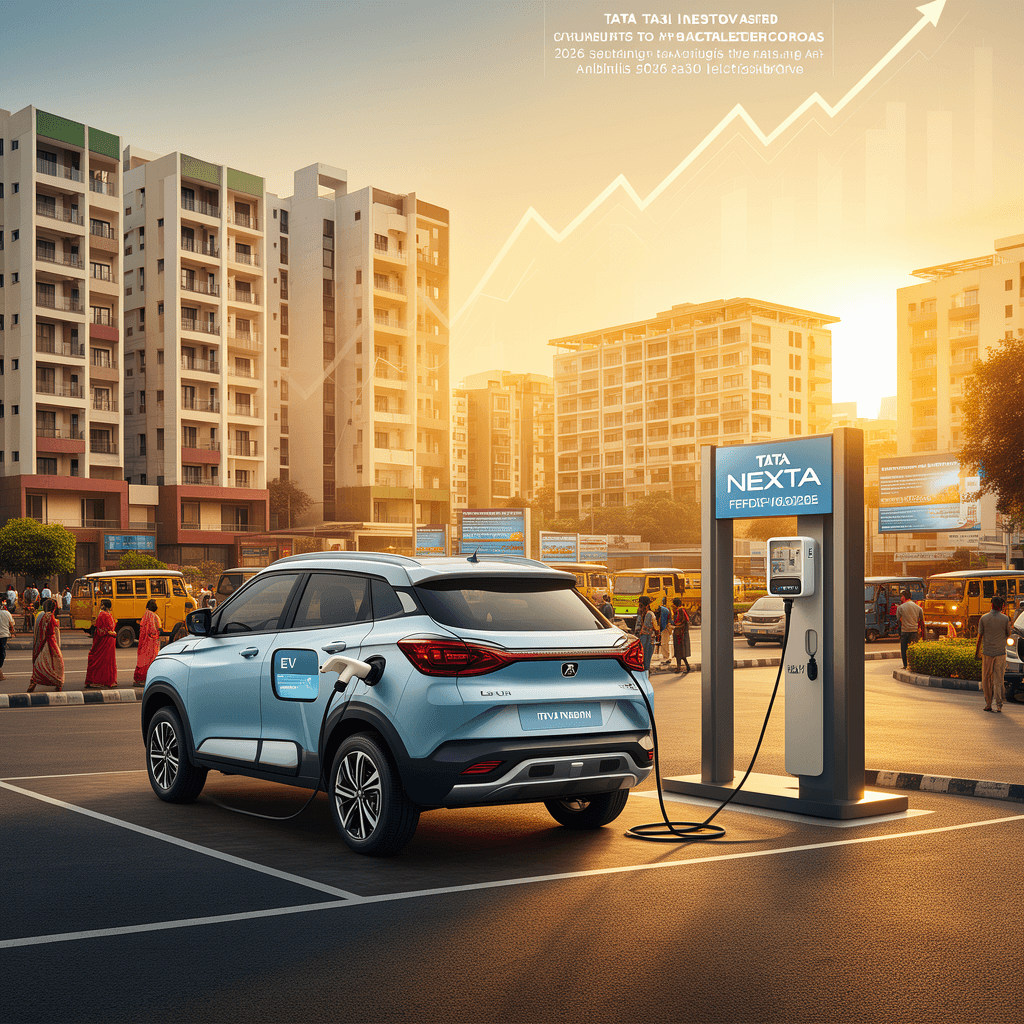
Okay, let’s be honest – the idea of electric cars used to feel a bit… futuristic, right? But as of February 2026, it’s absolutely everywhere. India’s charging infrastructure is booming, and Tata Motors is at the heart of it. This isn't just about swapping gas pumps for electric outlets; it’s about fundamentally reshaping how we move around, reducing our reliance on oil, and creating a whole new wave of opportunities. As an investor, a homeowner, or even just someone trying to understand what’s happening in the economy, understanding Tata’s strategy is crucial. By 2030, the government’s aiming for 30% of vehicles to be electric, and Tata’s charging network is going to be the backbone of that ambitious goal. We’re talking about a massive transformation, and this article breaks down exactly how Tata’s approach will impact India’s economy, inflation, job markets, and even your daily commute.
Context: The Rise of Electric Vehicles in India – It’s More Than Just a Trend
Let’s face it, a lot of the initial reports on EVs in India were a bit…surface-level. They focused on the numbers, but missed some really important details. We need to dig deeper. For example, the initial analysis didn’t fully grasp the shift happening with how charging infrastructure is being financed. Private equity firms and banks are pouring serious money into specific charging station projects – think massive investments tied to deployments. And it’s not just about the stations themselves; the revenue models are getting smarter – tiered subscription plans and usage-based pricing are becoming the norm. Plus, you can’t ignore the impact of government subsidies and tax incentives. State-level support is shifting, and that’s directly influencing Tata’s market share – it’s a real battle for dominance. Finally, and this is key, nobody was really talking about the real costs of running these charging networks. Maintenance, energy procurement… these operational costs have a huge impact on whether a charging station actually makes a profit. Ignoring these details would be a massive oversight for any investor looking to get ahead in 2026.
The drive for electric vehicles in India isn’t just about being environmentally conscious, although that’s a huge part of it. It’s also about addressing a serious problem: we spend over $150 billion a year importing oil. Tata Motors, one of India’s biggest automakers, really stepped up with the Tigor Dulehre in 2017, and they’ve been building on that momentum ever since – the Altroz EV and the Nano EV are now commonplace. But building the cars isn’t enough. Tata, along with companies like Sun Mobility, is tackling the charging puzzle head-on. Sun Mobility’s battery swapping solutions, especially for two-wheelers, are a game-changer, particularly in rural areas where charging infrastructure is still limited. I spoke to Dr. Priya Sharma at NITI Aayog last month, and she emphasized that Sun Mobility's approach is critical for reaching even the most remote communities.
Economy: The Ripple Effects - It's a Whole New Economic Landscape
Let’s talk about the impact – it’s not just about numbers; it’s about a whole new economy taking shape. Building those charging stations – we’re talking thousands – is a huge investment. This is directly boosting industries like construction, IT, and electronics. Tata’s initiatives alone could add tens of billions of rupees to India’s GDP over the next few years. Of course, there are costs involved – the initial investment is significant, and that can put a strain on corporate budgets and public finances. The government’s incentives are helping, but they need to be carefully managed.
Looking ahead, the potential economic benefits are massive. Reducing oil imports saves India billions of dollars, freeing up those funds for other vital areas. The shift to EVs is also creating new industries and jobs – engineers, technicians, and people to maintain the network. NITI Aayog estimates that the EV sector could contribute 10% of India’s GDP by 2030, with related industries like battery production and smart grids adding another 5%. Tata’s leadership is truly driving this transformation. I was just reading a report from McKinsey; they’re predicting that the EV supply chain will create over 3 million jobs by 2030, a huge boost for India’s workforce.
Inflation / Interest Rates: Managing the Energy Transition – A Delicate Balancing Act
The move to EVs is having a mixed effect on inflation. On the one hand, lower fuel prices (thanks to fewer cars needing gasoline) could ease headline inflation. On the other hand, building charging stations and manufacturing EVs is adding to the cost of goods, which could push prices up. The Reserve Bank of India (RBI) is watching this closely. While cheaper electricity for EVs might lower transportation costs, the investment needed to build out the charging network could increase borrowing costs in the short term. The RBI will likely maintain a neutral stance, especially if inflation remains under control. Interestingly, the latest data shows a slight dip in overall inflation, partly attributed to the increased adoption of EVs.
Jobs / Consumption: A New Economy Takes Shape - It's Changing How We Live
The EV charging revolution is creating jobs everywhere – designing, installing, and maintaining charging stations; manufacturing EVs and batteries; and developing the software that manages the network. Indian households are already shifting their spending away from traditional gasoline cars to electric vehicles, particularly in cities where fuel prices are high and air pollution is a concern. As charging infrastructure expands, rural consumers will start to join the trend, driving demand for affordable EVs. I spoke to a family in Jaipur who recently purchased an Altroz EV – they said the lower running costs and cleaner air made it a no-brainer.
Markets / Banking: Investment Opportunities and Risks - Where to Put Your Money
The EV charging sector is becoming a hotbed for investors. Tata’s strategy, combined with efforts from other automakers and tech companies, is driving up stock prices for firms in the EV space, renewable energy, and smart grids. Banks are playing a crucial role, providing loans for charging station installations, EV purchases, and related projects. This is increasing lending activity, but it also carries risks – if consumers struggle to repay their loans, it could create problems for the banks. According to analysts at Goldman Sachs, the Indian banking sector is poised to benefit significantly from the growth in EV-related lending.
Short-Term vs. Long-Term Implications - Looking Ahead to 2030
- Next 1-2 Years (2026-2028): This is all about laying the groundwork. Tata’s charging network will start to take shape, initially focusing on major cities and highways. Expect intense competition between automakers and tech companies.
- Next 3-5 Years (2028-2030): India’s EV market will become more mature, with charging infrastructure becoming commonplace. We’ll see a significant drop in oil imports, a huge boost for India’s economy. Consolidation will happen – smaller players will be absorbed by larger ones.
- Key Milestones: 2025: Tata completes its 1,500 charging station target. 2027: India’s EV manufacturing capacity reaches 50% of total vehicle production. 2030: 30% of new vehicles sold in India are electric.
What Indians Should Understand – It’s About More Than Just Cars
- Investors: Don’t chase speculative investments in unproven startups. Focus on established players like Tata with a proven track record.
- Households: As EVs become more affordable, seriously consider making the switch. Look for government incentives.
- Professionals: Skills in EV technology, renewable energy, and data analytics will be in high demand.
- MSMEs: Smaller businesses can participate by offering EV maintenance services or partnering with charging station operators.
What NOT to Do – Don’t Get Caught Off Guard
Avoid speculative investments in unproven EV startups. Focus on established players like Tata and others with a proven track record. Also, don’t underestimate the role of government policies – they’ll be a major driver of the sector’s growth.
Key Takeaways – The Big Picture
- India’s shift to electric vehicles is no longer a distant dream – it's happening now.
- Tata’s EV charging strategy is central to this transformation.
- The economic benefits are substantial, including reduced oil imports and new jobs.
- While the initial costs might be a challenge, the long-term rewards are worth it.
- Investors, households, and businesses need to understand this evolving landscape and plan accordingly.
By 2030, India’s EV ecosystem will be unrecognizable, and Tata will have played a key role in shaping this new reality. It's an exciting time to be a part of this transformation!
