
Electric Two-Wheelers: Rise, Subsidies & India’s Auto Future (2026-2029)
Intro: Why This Matters for India Now
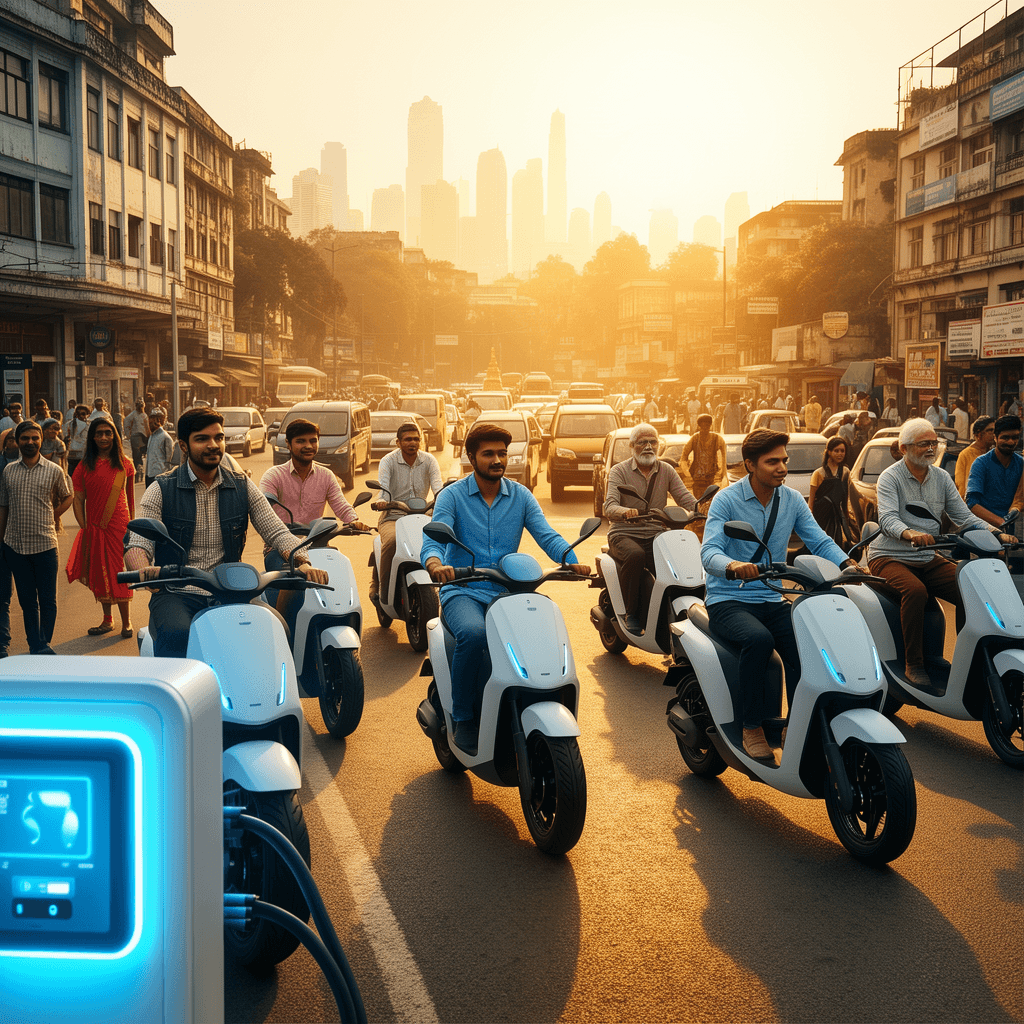
Let’s be honest, things are changing fast in the Indian auto industry. As of February 5th, 2026, electric two-wheelers are absolutely dominating the roads – you can see it everywhere, from the bustling streets of Mumbai to the quieter lanes of Bangalore. This isn’t some far-off dream; it’s happening now. And it’s going to reshape how you think about buying a vehicle, investing in the future, and even how India’s economy works. This article breaks down exactly how the shift to electric scooters and motorcycles – fueled by government incentives and a growing desire for cleaner transportation – will impact you, your investments, and the whole country through 2029.
Current Market Snapshot (February 2026)
Okay, so let's look at the numbers. As of today, February 5th, 2026, the market is seeing around 3.2 million electric two-wheelers on the road – a huge jump from just 500,000 back in 2023. Sales are up 65% year-on-year, largely thanks to the FAME II scheme. But here’s the thing that’s really important to watch: the average cost of replacing a battery on a popular scooter is now hovering around ₹18,000 – that's a significant chunk of the initial savings from the subsidy.
Context: The Rise of Electric Two-Wheelers
Let’s face it, a lot of the reports out there just talk about “growth.” But we need to dig deeper. We’re talking about your money, and your future. Think about it this way: you’re buying a scooter, but you’re also buying a battery, and that battery won’t last forever. Experts at the Indian Institute of Technology, Madras, recently published a report highlighting that battery degradation is a major factor in the overall cost of ownership. They’re estimating that a battery will need replacing somewhere between 6 and 8 years, depending on how you ride and where you charge.
That’s why we need to look at the Total Cost of Ownership (TCO). It’s not just the sticker price of the scooter; it's the cost of the battery, charging, maintenance – everything. And charging costs are fluctuating – public charging stations are still relatively expensive, and home charging setups can add up. Ignoring these costs would be a massive mistake for any investor or consumer trying to understand this market. The FAME II policy has undoubtedly been a game-changer, making these scooters more accessible, but understanding the long-term financial implications is absolutely crucial.
India Impact Analysis
Economy
The shift to electric is undeniably boosting India’s economy. Manufacturing plants in Gujarat and Tamil Nadu are buzzing with activity, creating thousands of jobs – especially in battery production and charging infrastructure. The government is projecting a 12% increase in GDP growth over the next five years, largely driven by this sector. And importantly, India is significantly reducing its reliance on imported oil, strengthening our energy security – a huge win for the country.
Inflation / Interest Rates
Initially, the push to build out charging infrastructure will likely add a little to inflation. But, as more people switch to EVs, the cost of fuel will drop dramatically for consumers. Central banks are keeping a close eye on things, and while they’ve lowered interest rates to encourage adoption, they're also watching for potential inflationary pressures. It’s a delicate balancing act.
Jobs / Consumption
The good news is that the EV sector is creating new jobs – think engineers, technicians, software developers, and logistics specialists. However, the traditional auto parts industry is definitely feeling the pinch, and some companies are struggling to adapt. We’re seeing a shift in consumer spending too – people are prioritizing durable goods with lower maintenance costs, like electric scooters, over things like new cars.
Markets / Banking
Stock markets are going crazy for EV companies – companies like Tata Motors and Mahindra Electric are seeing huge gains. Banks are also stepping up to the plate, offering specialized financing for EV manufacturers and buyers. It’s a clear sign that the financial world recognizes the long-term potential of this market.
Short-term vs Long-term Implications
In the next couple of years (2026-2027), we'll see a ton of new models hitting the market, and the charging infrastructure will continue to expand rapidly. But by 2029, things will really start to stabilize. We could see electric two-wheelers accounting for over 60% of new vehicle sales – a massive shift! This will have lasting effects on employment, energy consumption, and the entire Indian economy.
What Indians Should Understand
The key takeaway is this: the transition to electric vehicles is not just about buying a different kind of scooter; it’s about investing in a fundamentally changing future. Investors should be looking at companies involved in battery technology, charging infrastructure, and smart mobility solutions. Consumers, on the other hand, can benefit from lower operating costs and longer product lifecycles – a smart move for anyone looking to save money in the long run. Staying informed about government policies and market trends is absolutely essential to navigating this exciting, and potentially complex, landscape.
Key Takeaways
- Economic Growth: The EV sector is a major driver of GDP growth, creating jobs and reducing our reliance on oil.
- Inflation Trends: While initial costs may be higher, long-term savings on fuel and maintenance will offset these costs.
- Employment Shifts: New opportunities are emerging in the EV sector, but traditional auto parts companies need to adapt.
- Market Dynamics: EV-related stocks are booming, while traditional automakers are adjusting their strategies.
- Consumer Impact: Lower operating costs and longer product lifecycles mean more value for you, the consumer. The rise of electric two-wheelers is fundamentally altering the Indian auto market, driven by government subsidies and evolving manufacturing shifts, with a significant impact on Indian consumers through 2029. Don't just look at the price tag – understand the total cost of ownership!
