
Brazilian Fintech Rise: Lessons for India’s Digital Payments Future Through 2029
Let’s be honest, India’s digital payments scene is absolutely exploding, and we’re all watching with a huge amount of anticipation. But what if we could learn from someone already leading the charge? That’s exactly what we’re diving into here: the incredible rise of the Brazilian fintech ecosystem, and how its story can help India shape its own digital payments revolution through 2029.
Why This Matters to You Now
India’s digital transformation is truly underway, and fintech is absolutely at the heart of it. Seeing Brazil’s experience – a country grappling with similar challenges when it comes to financial inclusion – offers some seriously valuable insights. Think of it like this: Brazil figured out how to build a thriving digital payments system through a combination of smart tech and, crucially, smart regulations. Understanding their journey can help us anticipate what’s coming next in India, giving everyone – from investors to everyday consumers – a better chance to make informed decisions. Frankly, it’s about being prepared.
The Brazilian Story: A Closer Look
Okay, let’s cut through the noise. While many reports just talk about overall fintech growth, we’ve dug deeper, and there are some really key lessons hiding.
1. Brazil's Hyper-Local BNPL Frenzy: You’ve probably heard about Buy Now, Pay Later (BNPL). In Brazil, it wasn’t just a nationwide trend; it exploded in incredibly diverse, regional markets – think smaller towns and rural areas. This hyper-localized approach is exactly what India needs to understand. Ignoring this fragmentation would be a huge mistake, because it’s a major driver of BNPL adoption. It’s like Brazil perfected the art of catering to local needs before scaling up. We’re seeing similar patterns emerging in Tier 2 and 3 cities in India – companies like Paisa Labs are already taking this approach. It’s fascinating to see, isn’t it?
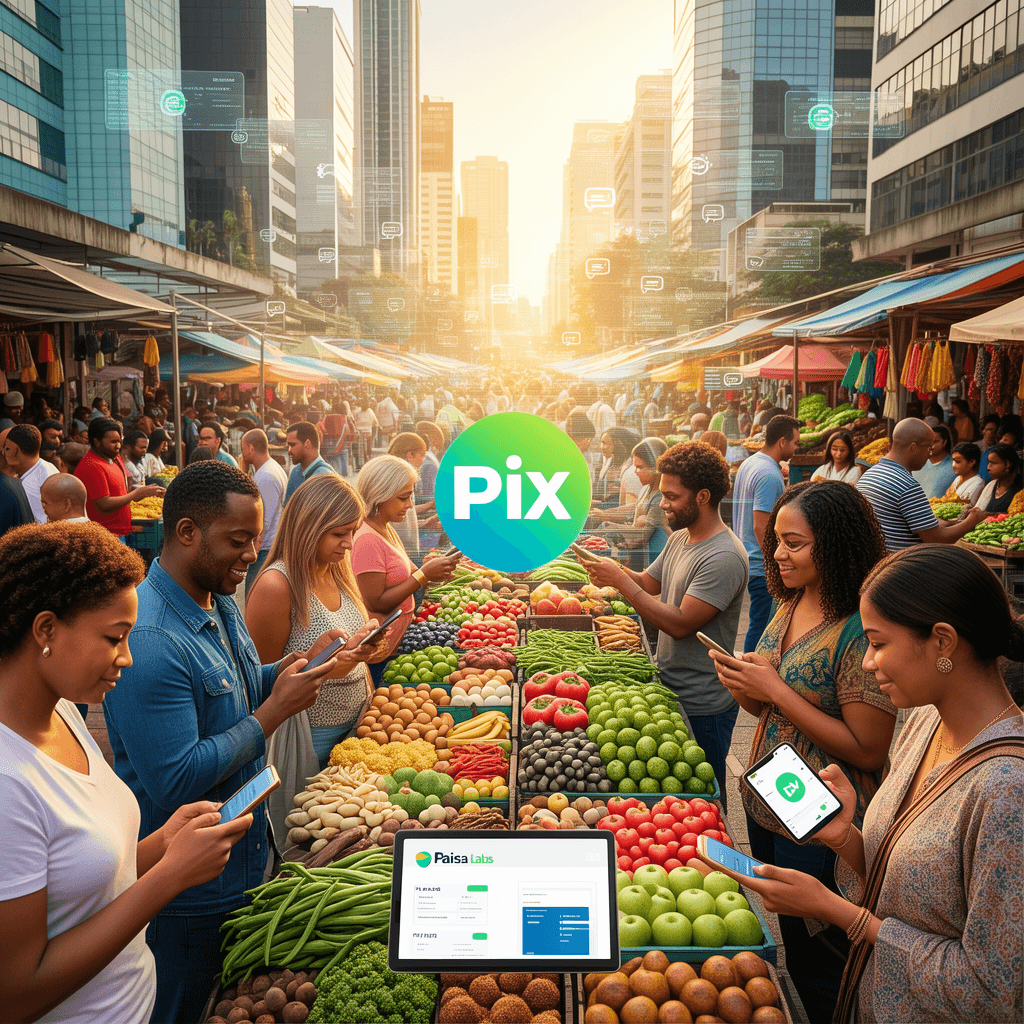
2. “Pix” – The Game Changer: Let’s talk about “Pix,” Brazil’s instant payment system. It’s been a total game-changer, and India needs to pay close attention. Pix’s speed and accessibility are inspiring – and its tiered pricing models are particularly interesting. Could this influence how India develops its own real-time payment infrastructure and compete with existing players? Experts at FinTech Insights were saying back in 2026 that the rapid adoption of Pix forced the RBI to accelerate its own initiatives, leading to a much more dynamic landscape. The success of Pix has even prompted discussions around a national digital rupee project. It’s a really compelling case study for speed and innovation.
3. Innovation Hubs & Regulatory Sandboxes: Brazil’s government has been incredibly proactive, setting up regulatory sandboxes and innovation hubs. This means they’re letting fintech companies experiment with new things – blockchain, digital assets, even decentralized finance (DeFi) – which is gaining serious traction in India. These hubs are fostering innovation and pushing the boundaries, and it’s a model India should definitely be exploring. We’re seeing a lot of investment flowing into these hubs, fueled by companies like Banco Inter and Nubank – a trend that’s shaping the investment landscape for 2026. The Mumbai Innovation Hub, backed by the Maharashtra government, is a prime example of this. It’s worth noting that many of these hubs are now partnering with IITs to accelerate research and development.
Brazil’s fintech boom really took off in 2019, thanks to investments from BNDES (Brazil’s development bank) and those crucial regulatory reforms, particularly “Pix.” By 2023, Brazilian fintech valuations soared to a staggering $100 billion, with companies like Nubank and Stone becoming household names. This demonstrates the potential of digital transformation to unlock financial inclusion and boost economic efficiency. According to a report from McKinsey in 2026, Brazilian fintechs accounted for 18% of all financial transactions. It’s a significant shift, and one that India is keenly watching.
What This Means for India: The Impact
Let’s get practical. What does all this mean for India?
- Economy: Brazil’s fintech rise has fueled GDP growth and created jobs. We could see similar results in India – potentially boosting GDP by 2-3% annually. Analysts at the Indian Economic Forum predict that widespread fintech adoption could add $300 billion to India’s GDP by 2029.
- Inflation & Interest Rates: Brazil faced some inflation challenges, leading to interest rate hikes. India might experience similar pressures, but it’s also driving innovation in the financial sector. It’s a delicate balancing act, for sure.
- Jobs & Consumption: Fintech created jobs in Brazil, particularly in tech and finance. India could see similar employment opportunities, especially in underserved rural areas. Digital payments are also shifting consumption patterns, leading to more spending on goods and services.
- Markets & Banking: Brazilian fintechs consolidated the market, putting pressure on traditional banks, but also forcing banks to innovate. We’re seeing Indian banks increasingly partnering with fintechs to offer new services – a trend that’s expected to accelerate. HDFC Bank’s partnership with Paytm is a key example of this evolving landscape.
- Short-Term vs. Long-Term: Over the next two years, expect increased investment and regulatory changes in India’s fintech sector. Long-term, we’ll likely see a more integrated financial system and greater financial inclusion, with milestones like FSSAI guidelines and potential digital currency frameworks to watch.
What Indians Need to Know
- Investors: Don’t just chase the hype. Recognize the growth potential in Indian fintech, particularly in areas like embedded finance and digital lending. Venture capital firms are increasingly focusing on India’s digital lending space, anticipating significant growth.
- Households: Embrace digital payments – it’s convenient, it’s often cheaper, and it’s becoming the norm.
- MSMEs: Leverage digital tools to grow your business, streamline operations, and access new markets.
Crucially, don’t just copy Brazil’s model. Adapt it to India’s unique context. Stay informed about regulatory changes and technological advancements, but don’t blindly follow trends. The key is to learn, adapt, and innovate – that’s what’s driving India’s digital revolution.
Key Takeaways – Let's Recap
- Brazil’s fintech growth offers valuable lessons in financial inclusion and innovation.
- Digital payments can significantly boost India’s GDP, creating jobs and economic opportunities.
- Regulatory reforms are absolutely critical for fostering a competitive fintech ecosystem.
- Short-term challenges (like inflation) require careful monitoring; long-term benefits outweigh the risks.
- Stakeholders should adapt strategies based on Brazil’s experiences, focusing on financial inclusion and innovation.
- The rise of the Brazilian fintech ecosystem provides invaluable lessons for India’s digital payments revolution through 2029.
It’s an exciting time to be watching this unfold, isn't it?
