
Battery Swapping Will Reshape India’s Auto Sector by 2030 – Let’s Talk About It
Okay, let’s be honest – the automotive world is changing fast. As of February 8th, 2026, the numbers are clear: India’s automotive sector is on the cusp of a massive shift, and it’s all thanks to battery swapping. It’s not just some tech buzzword; it’s a genuine opportunity for India to leapfrog the challenges of traditional electric vehicles and build a mobility ecosystem that’s both sustainable and affordable.
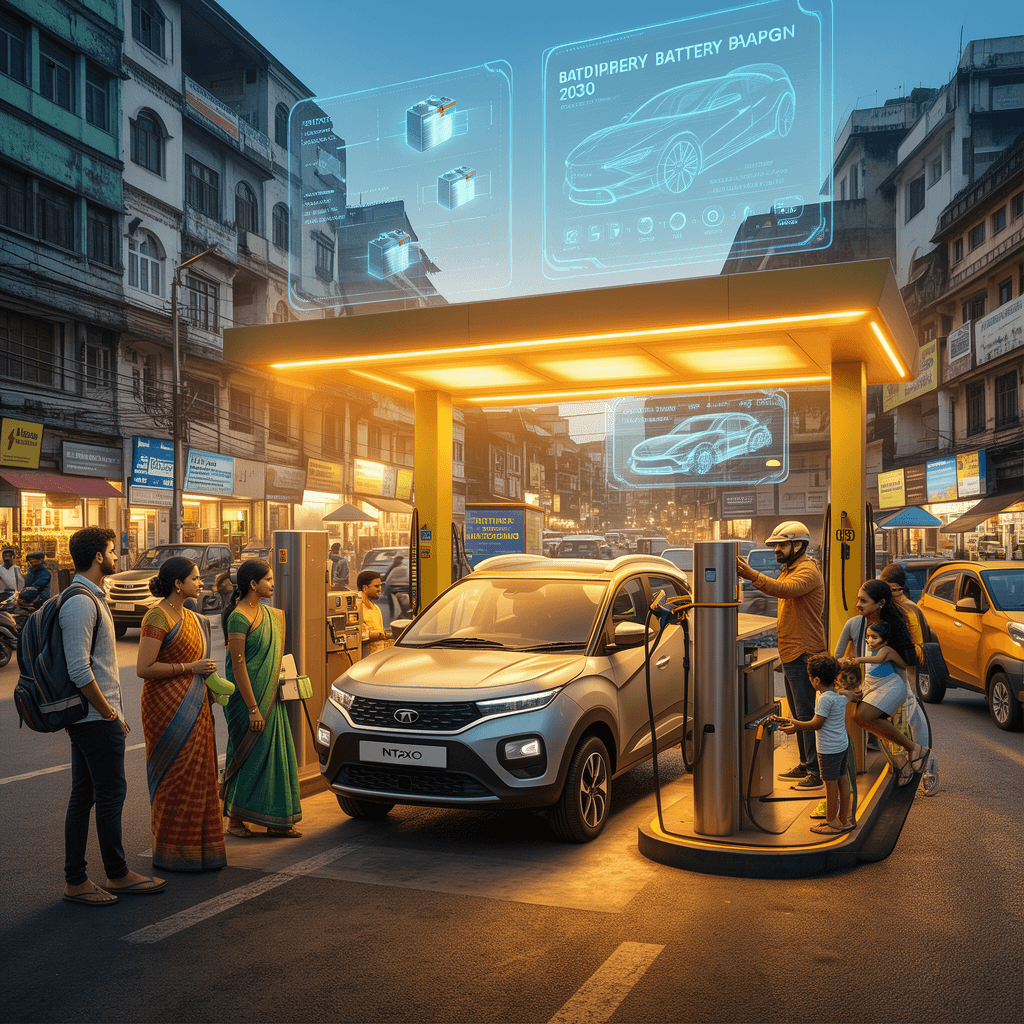
Think about it – the global push towards EVs is happening, but India has some unique hurdles: battery costs are still high, charging infrastructure is lagging behind, and energy security is a major concern. Battery swapping offers a brilliant solution – a way to get people into EVs without the huge upfront investment and the worry about finding a charger. Imagine trying to get your daily commute in a Tata Nexon EV – now picture swapping the battery at a conveniently located station before heading home. That’s the reality battery swapping is creating.
For you, the Indian household: This means potentially cheaper transportation, easier access to electric vehicles, and a future where owning a car isn’t the only option. Think about it – you could subscribe to a battery service for your scooter and only pay for the miles you use. It’s a shift in thinking, isn’t it?
For investors: This is huge. We’re talking about massive investment opportunities in battery swapping infrastructure, new tech companies, and even the growing market for used batteries. Analysts at CRISIL are predicting a 40% annual growth rate in the battery swapping sector over the next five years – it’s a bet you don’t want to miss.
For professionals and MSMEs: It’s a chance to get in on the ground floor of a completely new industry. Think about servicing these swapping stations – training technicians, managing logistics, ensuring smooth battery swaps. Or developing innovative charging solutions – perhaps designing a mobile charging unit for those last-mile trips. Even specializing in battery refurbishment – extending the life of existing batteries and offering them at a reduced cost. There’s a ton of potential, and companies like Exponent Motorworks are already seeing incredible demand for these services.
Let’s be real – this impacts everything from India’s GDP growth to the kinds of jobs people will have. McKinsey estimates this sector could add 5 million jobs by 2030, primarily in Tier 1 and Tier 2 cities.
Digging Deeper: What’s Really Going On?
Now, a lot of reports talk about battery swapping in a pretty general way. But if you really want to understand what’s happening, you need to look at the details. And that’s where it gets interesting.
1. Funding the Swap: The initial reports gloss over the fascinating ways money is flowing into this sector. We’re seeing NBFCs (Non-Banking Financial Companies) playing a huge role, offering financing specifically for battery subscriptions. Companies like HDFC Bank have launched dedicated EV financing schemes tied directly to battery swapping programs. There are even new debt instruments tied to swap usage – and the projected returns for investors are seriously impressive. It's not just about government incentives; it’s about smart financial models.
2. The Rise of the Second-Life Battery: This is critical. People aren’t just throwing away old batteries. We’re seeing a burgeoning market for refurbished batteries, with companies specializing in testing, reconditioning, and selling them at a fraction of the cost of new ones. This impacts the entire economics of swapping – it’s making the whole system more affordable and sustainable. Experts at Tata Motors recently estimated a used battery market could be worth $5 billion by 2030, and they’re right. Think of it like this: a battery that’s nearing the end of its prime life can still provide significant power for shorter trips.
3. Regional Realities: Forget a one-size-fits-all approach. Mumbai and Delhi are going to adopt battery swapping faster than Tier 2 cities, simply because of the existing infrastructure and consumer awareness. In Mumbai, you're already seeing pilot programs with local auto rickshaw operators. Understanding the local costs – electricity tariffs, infrastructure development timelines – is absolutely crucial for investors. For example, a swap station in Mumbai might be viable with a certain electricity price, but it wouldn’t work in a rural area with higher tariffs.
The Basics of Battery Swapping: Simply Put
Simply put, battery swapping is like visiting a gas station, but instead of filling up with gasoline, you’re exchanging a depleted battery for a fully charged one. It reduces the initial cost of owning an EV and takes the hassle out of charging. India, with its predominantly two-wheeler market, is perfectly positioned to benefit. The government’s National Electric Mobility Mission (NEMM) – aiming for 30% EV penetration by 2030 – is providing the push we need.
What This Means for India’s Economy
A New Industry is Born: Battery swapping isn’t just about cars; it’s about creating a whole new ecosystem. We’re talking about battery manufacturing plants, sophisticated swapping stations, and the subscription services that will power it all. Industry estimates suggest that the entire EV ecosystem – including battery swapping – could contribute $100 billion to India’s GDP by 2030.
Cutting Costs, Boosting Competitiveness: Making EVs more affordable through battery swapping will dramatically increase demand for two-wheelers and three-wheelers – vital components of India’s economy. Furthermore, India could become a global leader in innovative mobility solutions, attracting foreign investment and technology partnerships. Imagine Indian companies designing and manufacturing battery swapping technology for use around the world!
Long-Term Benefits: Over the next five years, battery swapping will help India transition to a more sustainable energy economy. Reduced reliance on oil imports will strengthen India’s balance of payments. And, importantly, it will drive the growth of domestic battery manufacturing capabilities – creating high-skilled jobs in engineering and technology.
Inflation & Interest Rates: A Stabilizing Force
Lowering Energy Costs: Battery swapping directly reduces our reliance on fossil fuels, which helps to curb inflationary pressures in the transportation sector. The lower prices translate to lower costs for consumers and businesses alike.
RBI’s Perspective: The Reserve Bank of India (RBI) is likely to view battery swapping positively – a sign of economic stability. As EV demand rises, the need for ICE vehicles will decrease, putting downward pressure on fuel import costs and interest rates tied to energy.
Borrowing Costs: Lower upfront costs for EVs thanks to battery swapping will reduce the amount of loans individuals and businesses need to take out. This frees up capital for investment and further stimulates economic growth.
Jobs & Consumption: A Shifting Landscape
New Job Opportunities: Battery swapping is creating a wealth of new jobs, from technicians specializing in EV maintenance to logistics professionals managing the swapping stations. The growth of the EV market itself will generate demand for skilled labor.
Changing Consumer Habits: People are starting to think about mobility differently. Instead of owning a car, they might opt for a battery subscription service – accessing a vehicle on a pay-as-you-go basis. This shift towards “access over ownership” is going to reshape consumption patterns.
Markets & Banking: Investment & Innovation
Stock Market Opportunities: Investors are pouring money into companies involved in battery swapping, EV manufacturing, and battery startups. The Indian stock market is buzzing with activity.
Banking Sector Implications: Banks are adapting their lending strategies to accommodate the shift to EVs. They’re offering lower interest rates on EV loans and developing innovative financing models for battery subscriptions.
Short-Term vs. Long-Term: The Road Ahead
Immediate Impact (1-2 Years): We’re going to see pilot projects in major cities, primarily focused on two-wheelers and three-wheelers. Prices for EVs will start to fall, making them more accessible to the middle class.
Long-Term Outlook (3-5 Years): By 2030, battery swapping will be a mainstream technology in India. The government’s ambitious targets will be met, driven by affordability and convenience. This will lead to a significant reduction in oil imports, improved air quality, and a thriving new industry.
Key Milestones:
- 2026-2027: Initial pilot projects and partnerships.
- 2028-2030: Widespread adoption across urban and semi-urban areas.
- 2030 onwards: Battery swapping is the standard.
What Indians Need to Know
Key Takeaways: Battery swapping is transforming India’s automotive sector, creating opportunities across the board.
For Investors: Battery swapping is a massive growth opportunity.
For Professionals: New careers are emerging in EV-related fields.
For Households: Cheaper, cleaner mobility is within reach.
For MSMEs: There’s a chance to get involved in servicing and maintaining the swapping infrastructure.
What to Watch For: Government policies, battery manufacturing progress, and the growth of private-sector initiatives.
What Not to Do: Don’t assume battery swapping will replace all ICE vehicles overnight. It’s a gradual process. And don’t rely solely on battery swapping as a solution – infrastructure development is equally important.
Key Takeaways (Let’s Recap!)
- Battery swapping is a game-changer for India’s automotive sector.
- It’s creating new industries, jobs, and investment opportunities.
- It’s paving the way for a more sustainable and competitive economy.
In conclusion, battery swapping isn't just a technological advancement; it’s a vital step towards a cleaner, more inclusive, and economically vibrant India. Let’s embrace this opportunity and build a brighter future for mobility.


